I grew up believing that what we put into a pot could do more than feed us.
This post contains affiliate links. As an Amazon Associate and Walmart Creator, I earn from qualifying purchases. I may also earn a commission through other affiliate programs at no extra cost to you. I only share products I genuinely find useful or interesting.
My Nana and my Dad both taught me that teas, foods, herbs, and aromas could be good for the body and the spirit. It wasn’t presented as something particularly unusual. It was simply part of knowing how to take care of people.
I was fascinated by all of it. Before I was ten, I insisted on having my own copy of Back to Eden because I referred to it so often. I also drove my mother a little crazy checking out library books on folk medicine, herbal remedies, and witchcraft.
Even then I was cross-referencing and checking evidence to see what multiple sources agreed on as well as building my own bank of experience.
That curiosity has never really left me. I’ve learned that traditional uses and scientific evidence aren’t always the same thing, but I still find value in understanding what people have done, why they’ve done it, and what actually holds up.
To me, being a kitchen witch isn’t about owning a particular collection of objects or following someone else’s list of rituals.
It’s knowing which meal will comfort someone after a miserable day. Which herbs belong in the pot, which tea suits the moment, or when a simmer pot might make the whole house feel a little more welcoming.
That is the kind of kitchen these essentials are meant for. The list begins with the things that support the work: ingredients you use, tools you reach for, and a few details that make the room feel like yours.
1. A visible herb pantry
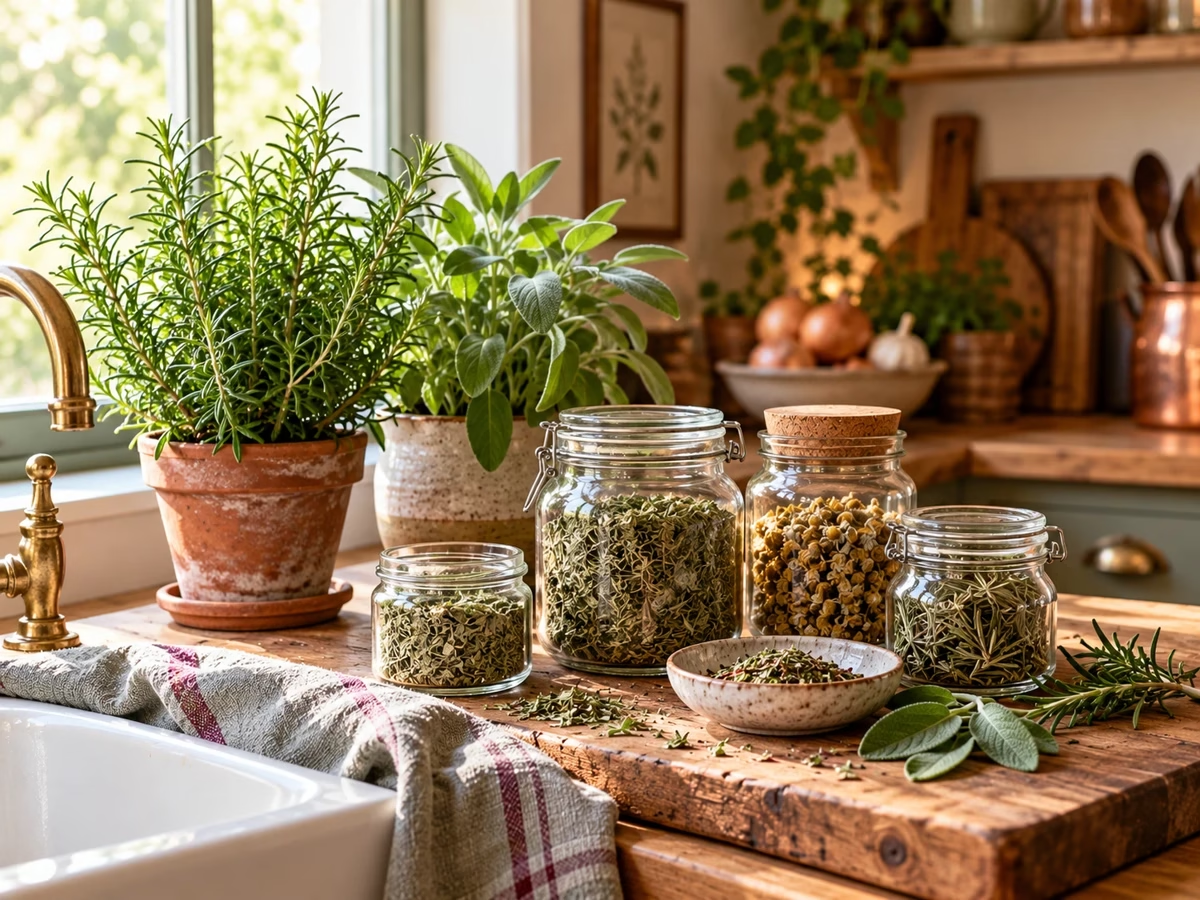
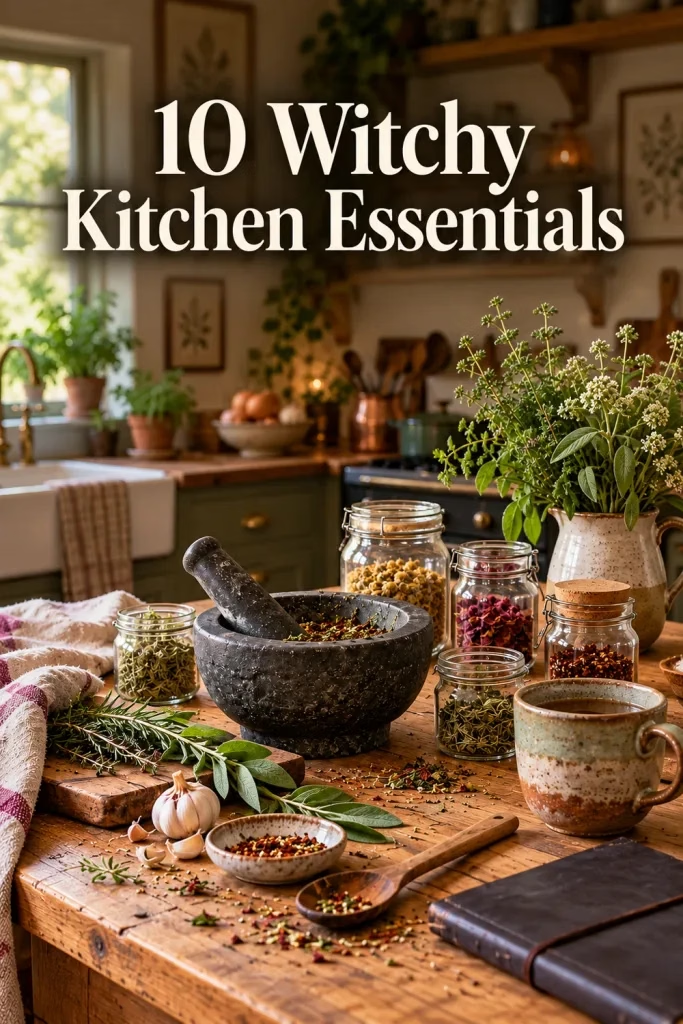
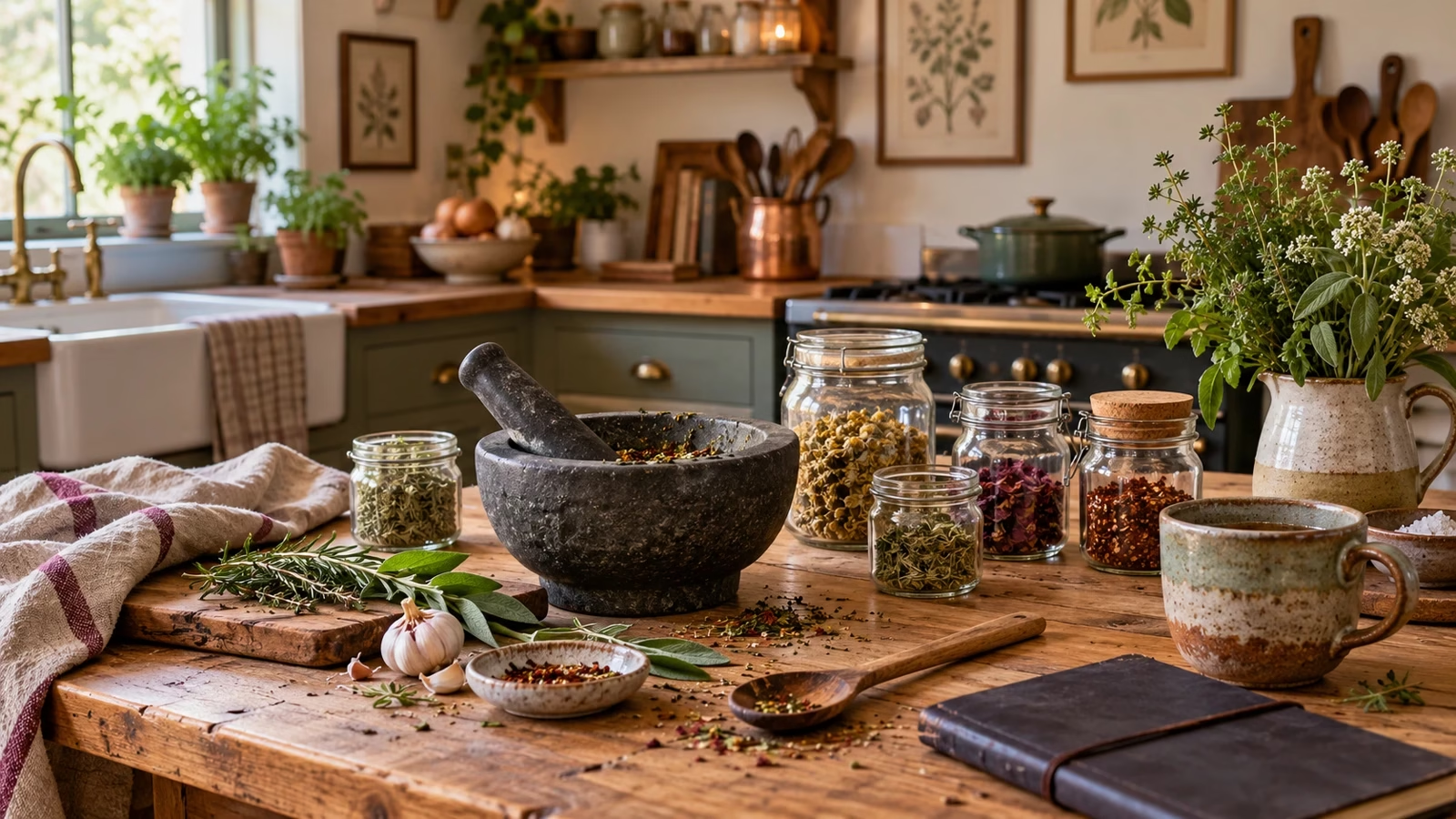
Herbs are easier to use when you can see them. Small glass jars make a working pantry feel a little more deliberate, especially when they hold the things that turn up in your cooking: rosemary, thyme, bay leaves, cinnamon, peppercorns, tea, or whatever you reach for often.
The jars do not need to match. A row of identical containers is pleasant, but a collection of clean food-safe jars can look more lived-in. Label them clearly. Dried green leaves become remarkably unhelpful once they are all in the same sort of jar.
Keep the herbs you use most within reach. A narrow shelf, thrifted spice rack, rail with small containers, or even the inside of a cabinet door can give the jars a home. If a shelf near the stove gets hot, steamy, or greasy, move the herbs somewhere kinder to them.
And don’t overlook growing a few herbs yourself. You don’t need a garden, or even a balcony. If you’ve got a window that gets enough light, you may have room for a pot or two of herbs. There’s something particularly satisfying about snipping a little fresh basil or rosemary from a plant you’ve grown yourself and adding it straight to whatever you’re cooking. It’s practical, it looks right at home in a witchy kitchen, and there’s a certain pleasure in knowing exactly where that ingredient came from.
For more small-space herb ideas, see Witchy Gardening for Small Spaces.
2. A pantry built around actual cooking
Kitchen witchery becomes much more interesting when it begins with food rather than symbolism assigned from a chart. Keep ingredients you genuinely cook with, then notice the patterns that develop: the rosemary that goes into winter potatoes, the lemon peel saved for a simmer pot, the garlic that appears in nearly everything.
Different families use herbs differently. You can cook with intention without claiming that one ingredient has one fixed meaning for everyone.
3. A mortar and pestle
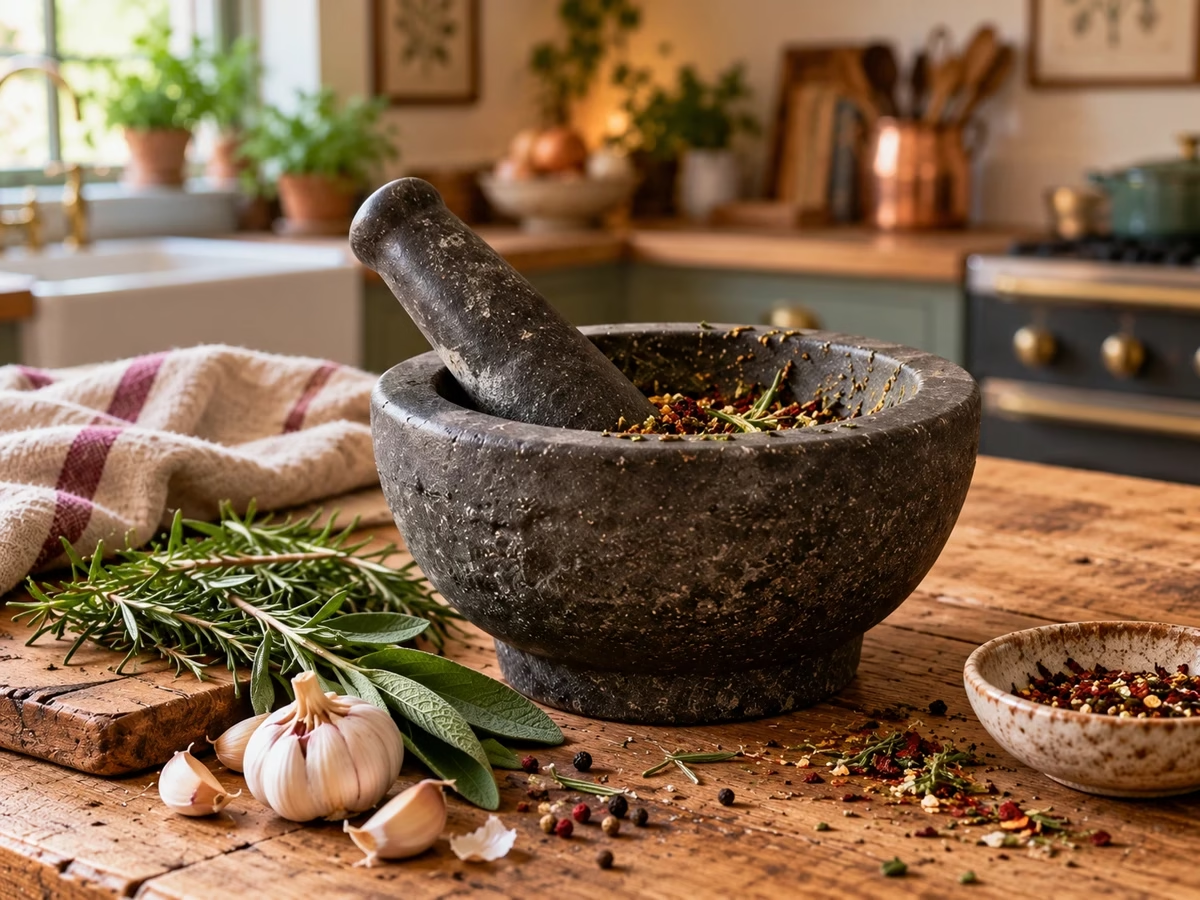
A mortar and pestle earns its place when you use whole spices, crush pepper, make a small herb blend, or want garlic worked into a paste instead of processed into oblivion. The sound and resistance of it also slow the task down a little, which can be part of the appeal.
Choose a sturdy one that will not skate across the counter. A heavy stone or ceramic version is useful for many jobs, but a small bowl and the back of a wooden spoon can handle an occasional pinch of pepper.
I’m torn between a wooden mortar and pestle, like the Thyme & Table Acacia Wood Mortar & Pestle at Walmart, and a stone one, like the HIC Kitchen Mortar and Pestle Set on Amazon. I love the warm look of the wood, but there’s something about a good, heavy stone mortar and pestle that appeals to me, too. I haven’t decided which way I’d go.
4. A recipe book that also keeps the household notes
Recipes are only part of what belongs in a kitchen journal. Leave room for substitutions, seasonal ideas, notes about what worked, and the practical discoveries that never make it into a polished recipe: use the smaller pan, add less salt, the frozen vegetables were fine, do not buy that much sage again.
This is also where family recipes and household traditions can live.
5. Wooden spoons and well-used utensils
Wooden spoons are humble, forgiving tools. They stir soup, scrape a pan, fold batter, and sit in a crock looking as though they have been invited to stay awhile. Choose handles that feel comfortable and surfaces that are smooth and sound.
Thrifted utensils can be good finds, but skip anything cracked, splintered, or difficult to clean. You do not need a large collection. The spoon you reach for is the one with a place in the kitchen.
6. One substantial pot or skillet
A cast-iron skillet or Dutch oven gives a kitchen some of that old-hearth weight, but its main argument is dinner. These are useful for soup, stew, roasting, baking, and the sort of meal that starts with “what is in the cupboard?”
Choose according to your cooking and your ability to lift it comfortably. An enameled pot may suit your maintenance preferences better than traditional cast iron, and a smaller pan can be the right answer in a small household.
For an everyday recipe that understands flexible cooking, see Easy Mode Vegetable Soup.
7. A kettle and one good mug
You don’t need a fancy, old-fashioned tea kettle. An electric kettle boils water just as well, and so does a regular pot on the stove.
I’ve had my eye on a couple of electric kettles myself. I particularly like the look of the Beautiful by Drew kettle at Walmart and the HIYAKOI Gooseneck Electric Kettle on Amazon. But I haven’t managed to come up with a good excuse to replace my perfectly good, working kettle.
A favorite mug and whatever tea you enjoy are really all you need.
8. A simmer pot
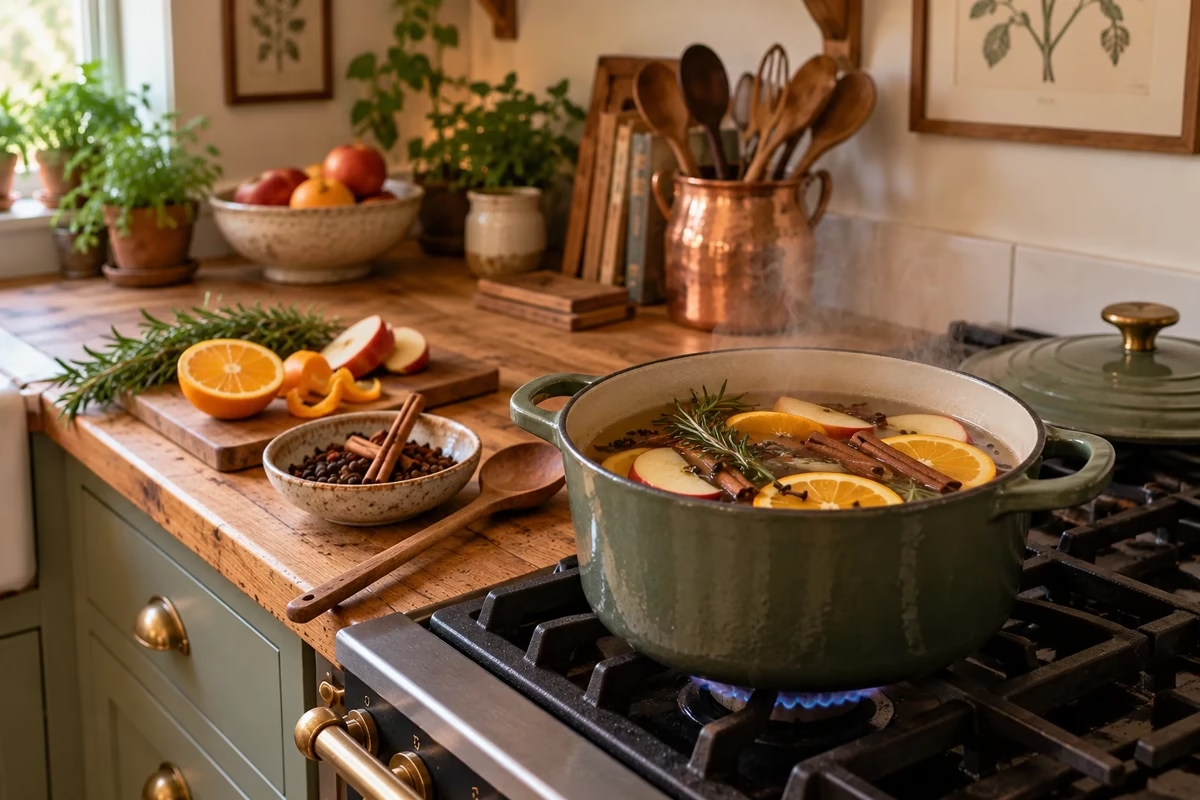
This is the item that feels most naturally connected to household folk practice for me, because I remember my Nana having something fragrant bubbling on the stove. I wish I could give you Nana’s exact recipe, but there was not one. It changed with the season, what she had in the kitchen, and whatever seemed right that day.
Citrus peel, apple, rosemary, cinnamon, ginger, or a few whole spices can become a simmer pot. Use what is appropriate and available. The house smells good, and the season gets a little more noticeable.
For combinations and seasonal variations, see 10 Cozy Simmer Pot Recipes for Fall, Christmas & Winter.
Because this involves a hot stove and evaporating water, stay nearby, check the water level, and turn it off before leaving the house or going to bed. If fragrance sensitivity is part of your household, choose accordingly. A simmer pot is a pleasant domestic practice, not a treatment or a substitute for ventilation.
9. Warm, workable lighting
Keep enough bright light for chopping and cleanup, then add warmth with a lamp, under-cabinet lighting, or a properly rated rechargeable light in a safe location.
Paper, dried herbs, textiles, and lights should not be crowded against burners or other heat sources. Battery lights are often the easier choice for a small kitchen. A room can feel mysterious without making it difficult to see the knife.
A botanical illustration, vintage cookbook page, or small still life can sit here too. Keep paper away from steam and splatters, and use a stand if you want to move the image when you are cooking.
10. Handmade textiles that can do a job
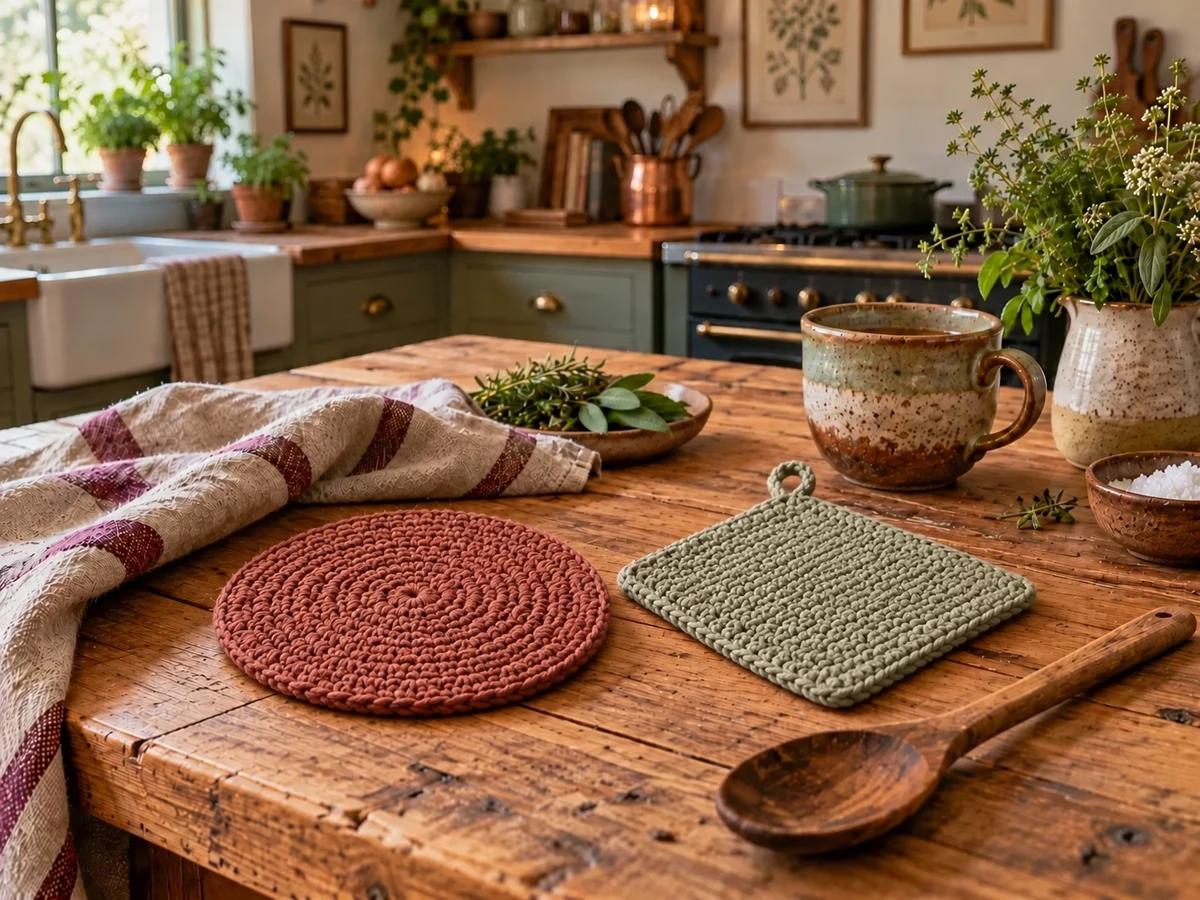
Crocheted potholders, trivets, tea towels, and cloth napkins add texture and color while making the room feel made rather than purchased all at once. They are also a manageable way to bring in sage, rust, plum, or faded florals.
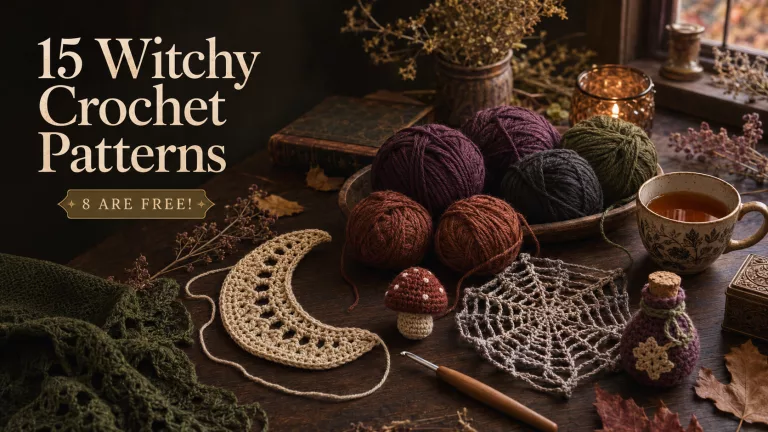
Use heat-safe potholders for hot cookware, and do not use decorative crochet as an oven mitt unless it was made and labeled for that purpose. Angel Wings It’s 15 Witchy Crochet Patterns to Start Now is a natural related read. For kitchen-specific projects, see 15 Free Crochet Potholder Patterns + Pretty Trivets for a Cozy Kitchen or the broader crochet category.
Making a witchy kitchen in a small space
Start with one zone rather than trying to transform the whole room. Put the herb jars near the place where you season food. Keep the tea setup on one tray. Give the recipe book a visible home.
A small basket, tray, shelf, or clear corner of the counter can also hold whatever seasonal ingredient or kitchen project is currently in use. Keep natural details dry and away from heat.
Thrift stores can be useful for mugs, wooden utensils, baskets, frames, and shelves. Repurpose food jars only when they are clean, dry, and suitable for the ingredient. A handwritten label can do more for the feeling of a pantry than a set of expensive matching containers.
If you have very little energy, make one corner easier to use. Move the mug. Wash the jar. Put the soup pot where you can reach it. Kitchen witchery does not require a finished room.
If you’d like to browse a few ideas, I’ve collected cottage-kitchen finds in Maeve Moonbeam’s Cozy Cottage Kitchen Witch Essentials on Amazon. You can also browse my Kitchen and Cooking collection at Walmart for more everyday tools and practical kitchen essentials.
Before you buy anything
Look at what is already in the kitchen. The old spoon, mismatched bowl, inherited recipe, or pot you use every week may be more connected to your practice than a new object with the right label on it.
When something is genuinely missing, shop by the job it needs to do.